

I just read an opinion piece in the Washington Post about the strange disconnect between strong GDP growth and low consumer confidence. It’s an important conversation, no question.
But I almost didn’t get past the headline, where the Editorial Board described the economy as “bipolar.” It’s a punchy word choice — one that risks overshadowing the article’s analysis. It’s a shining example of the friction between traditional editorial flair and modern standards for clear, inclusive language.
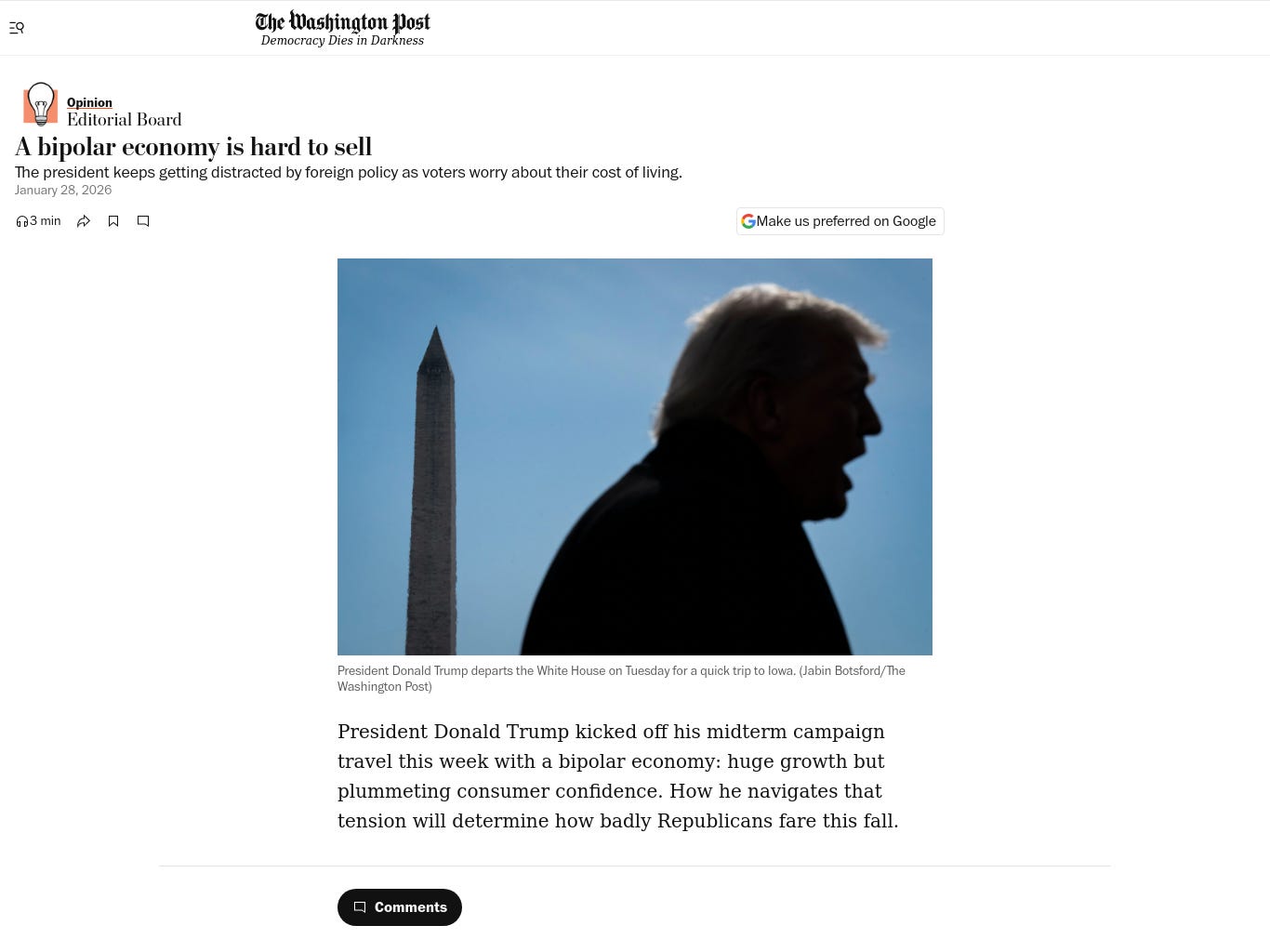
While The Washington Post’s internal style guide generally follows AP guidelines, which explicitly advises against using clinical mental health terms as metaphors, the Editorial Board operates with more freedom than the newsroom. That freedom, however, shouldn’t be an excuse to overlook nuance or make provocative language choices without clear reasoning.
In spaces that shape public discourse, using a clinical diagnosis as shorthand is distracting. It feels outdated, breaking the flow for many modern readers and potentially sparking a conversation on terminology over economic argument. This also can come across as careless to those living with bipolar disorder. Why risk alienating readers when more precise words like “divided,” “two-track,” “uneven,” or “volatile” could better describe the situation?
To be clear, I’m not saying every word needs policing. Casual language evolves all the time. But in a high-profile publication like the Washington Post, word choice carries extra weight. Precision and respect matter more because the audience is broader and the stakes are higher.
When you see a publication use clinical terms to describe markets or politics, does it take you out of the story, or has it prevailed as an accepted metaphor?